
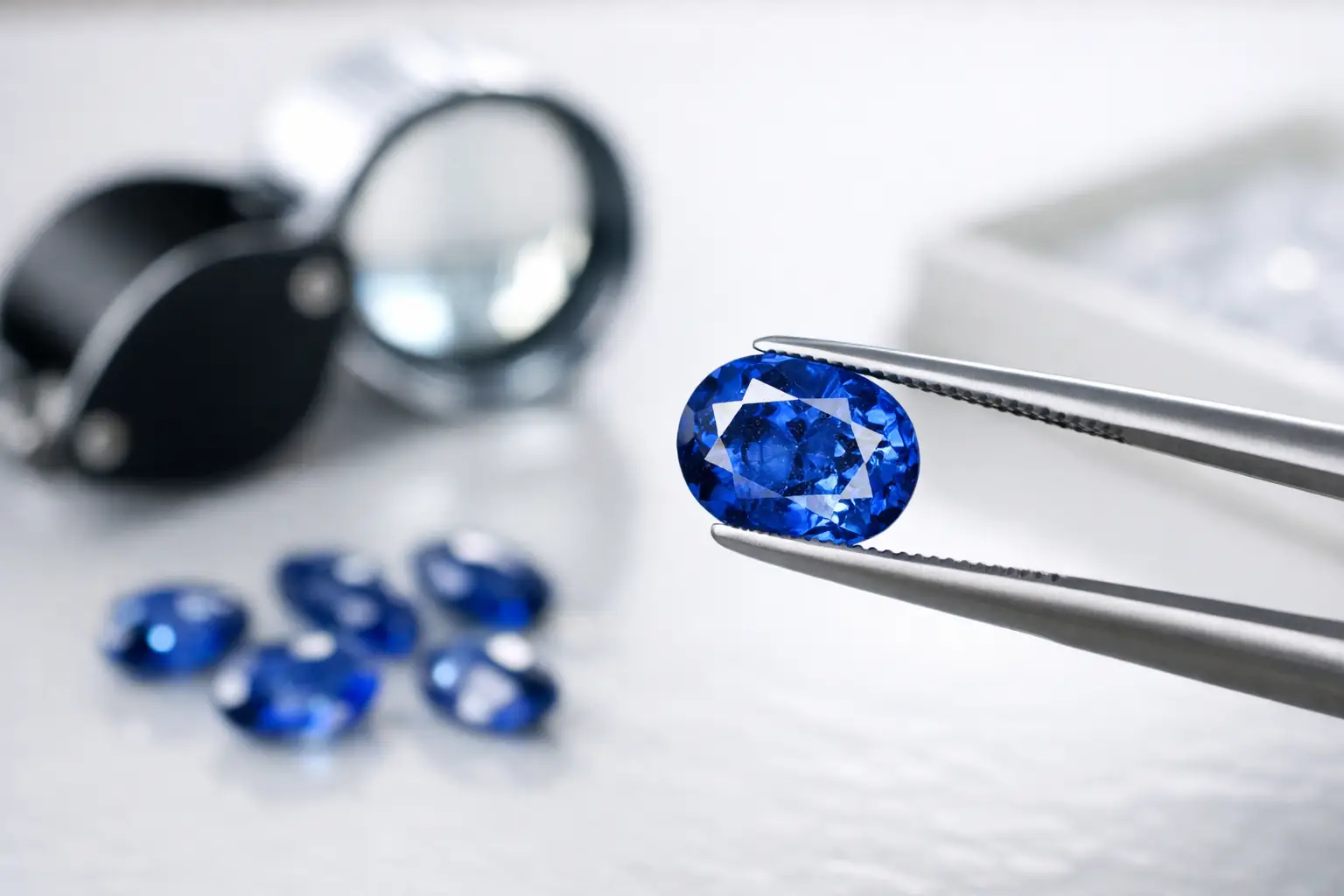
A sapphire can look beautifully blue, pink, or golden at first glance, yet its history may be very different from another stone of similar color. So, what is an unheated sapphire? It is a natural sapphire that has not been subjected to heat treatment after it was mined and cut. Its color, clarity characteristics, and internal features are the result of nature rather than enhancement in a furnace.
For many buyers, that distinction brings a deeper sense of rarity and connection to the gem’s origin. An unheated sapphire is not automatically more beautiful than a heated one, nor is every unheated stone a collector’s stone. But when fine color, pleasing clarity, and an independent treatment report come together in an unheated sapphire, the result can be genuinely exceptional.
What Is an Unheated Sapphire?
Sapphire is a variety of corundum, the same mineral family as ruby. Trace elements within corundum create its color: iron and titanium contribute to blue, while chromium can produce pink tones. Stones form over immense periods under particular geological conditions, often developing small internal features along the way.
An unheated sapphire has been cut and polished but has not been heated to alter or improve its appearance. It may still have been cleaned, faceted, and prepared for jewelry, as all loose gemstones are. “Unheated” refers specifically to the absence of heat treatment, not to a stone being completely untouched by human hands.
In Sri Lanka, where sapphires have been treasured for centuries, unheated stones are especially admired for their natural character. Fine Ceylon sapphires can display luminous blues, delicate pastel shades, vivid pinks, golden yellows, and the soft blend of pink and orange associated with padparadscha sapphires. When these qualities occur naturally, they are considerably less common.
Why Are So Many Sapphires Heated?
Heat treatment is an accepted and common practice in the sapphire trade. Rough sapphires are heated at high temperatures to improve color, reduce the visibility of certain inclusions, or make a stone appear clearer and brighter. A pale blue may become more saturated, for example, or a stone with noticeable silk may become more transparent after heating.
This treatment can make attractive sapphires available at a broader range of price points. A heated sapphire can be an excellent choice for an engagement ring or a meaningful piece of custom jewelry, particularly when color, size, and budget are the priority. Heat treatment does not make a sapphire imitation, synthetic, or less durable. It remains a natural sapphire.
The difference is that an unheated sapphire possesses its visual qualities without that post-mining intervention. Because nature must deliver both the color and the clarity, fine examples are scarcer. This is why treatment status can have a substantial effect on value.
Why Unheated Sapphires Are Rare
Most natural sapphires are not found with the exact balance buyers seek. A stone may have strong color but be too dark, have appealing clarity but look pale, or show beautiful internal silk that softens its transparency. Heating can improve the commercial appearance of many of these stones.
An unheated sapphire needs no such improvement to be desirable. That does not mean it must be flawless. In fact, very fine unheated sapphires often retain subtle internal characteristics that confirm their natural growth. The goal is not sterile perfection. It is a beautiful, lively gemstone with a treatment status that has been properly assessed.
The rarest examples combine several qualities at once: attractive and even color, good transparency, a well-proportioned cut, meaningful size, and a reputable report stating that there is no evidence of heating. Exceptional unheated blue sapphires, padparadschas, and untreated stones with a recognized origin can command significant premiums.
Unheated Does Not Mean Better in Every Situation
It is easy to treat “unheated” as a simple measure of quality, but sapphires deserve a more thoughtful comparison. A vivid, well-cut heated sapphire may be more beautiful to one person than a pale or heavily included unheated stone. For someone choosing an everyday engagement ring, a heated sapphire can offer outstanding color and durability at a more accessible price.
Unheated status matters most when natural rarity, provenance, and long-term collectibility are central to the purchase. It can also matter to clients who want a gemstone whose appearance is as close as possible to the way it emerged from the earth.
The best choice depends on the individual stone. Color should still be evaluated in person where possible, or through accurate video and detailed imagery. A sapphire’s appeal is not contained in one line of a certificate. Its brightness, saturation, transparency, cut, and the feeling it creates all matter.
How Can You Tell if a Sapphire Is Unheated?
Treatment status cannot reliably be determined by looking at a sapphire with the naked eye. An experienced gemologist may identify clues under magnification, but confirmation generally requires laboratory examination.
Gemological laboratories assess inclusions and internal features for evidence of exposure to high temperatures. In an unheated sapphire, they may observe intact silk, natural crystal inclusions, or other growth characteristics that have not been altered by heating. Heated stones can show changes to these features, including altered inclusions or partially dissolved silk.
A reputable report may state “no indications of heating” or use similar wording. This phrasing is meaningful. Laboratories base their conclusion on the evidence visible in the stone at the time of examination. It is more precise than a casual seller’s description and gives buyers confidence in an important part of the gem’s story.
For a significant purchase, ask to see the report and confirm that its details correspond with the sapphire being offered, including its weight, shape, and measurements. If origin is stated, understand that origin opinions are also based on gemological evidence rather than a literal record of the mine where the stone was recovered.
What to Look for Beyond Treatment Status
When selecting an unheated sapphire, start with the color that draws you in. Blue sapphires vary from airy cornflower tones to velvety royal blues and deeper inky shades. Yellow, pink, teal, green, white, bi-color, and padparadscha sapphires each have their own visual language. A color should look alive in varied light, rather than appealing only under intense showroom illumination.
Then consider transparency and inclusions. Some inclusions are expected in natural sapphires and may be part of the stone’s individuality. However, inclusions that dominate the face-up view, reduce durability, or significantly dull the gem may affect its suitability for a ring. A fine cut can make a considerable difference, bringing light back through the crown and allowing the sapphire’s color to appear balanced.
Size and shape should also suit the jewelry design. An elongated oval may create an elegant presence on the hand, while a cushion can emphasize softness and depth of color. A sapphire selected for a bespoke ring should be considered alongside its setting, metal color, and the wearer’s lifestyle.
The Value of Sri Lankan Unheated Sapphires
Sri Lanka remains one of the world’s most historic sapphire sources, known for a broad spectrum of colors and a particular luminosity in fine stones. Its gem-bearing gravels have supplied sapphires to royal collections, collectors, and jewelers for generations.
A Sri Lankan origin can add context and desirability, especially for an unheated sapphire with exceptional color. Yet origin alone should never be treated as a guarantee of quality. There are beautiful sapphires from many locations, and every gemstone should be judged on its own merits.
At Ceyloe, treatment status is part of a larger conversation about a stone’s natural origin, character, and suitability for the person choosing it. Direct relationships with Sri Lankan sourcing communities make that conversation more personal, while independent documentation helps keep it transparent.
Choosing a Sapphire With Confidence
An unheated sapphire is a compelling choice when you value a rare natural result: color and beauty created without heat enhancement. Its premium reflects scarcity, not simply a label, and the finest examples can carry remarkable presence in both loose form and finished jewelry.
Give yourself permission to compare stones carefully. Ask about treatment, request the relevant certification, look closely at color in different lighting, and choose the sapphire that feels right for the life it will become part of. The most meaningful gem is not merely rare on paper. It is the one whose natural character continues to reward your attention for years to come.
